The 2026 ISO transitionsPart 1 of 3
ISO 14001:2026 Is Here: What Organizations Need to Know About the New Environmental Standard
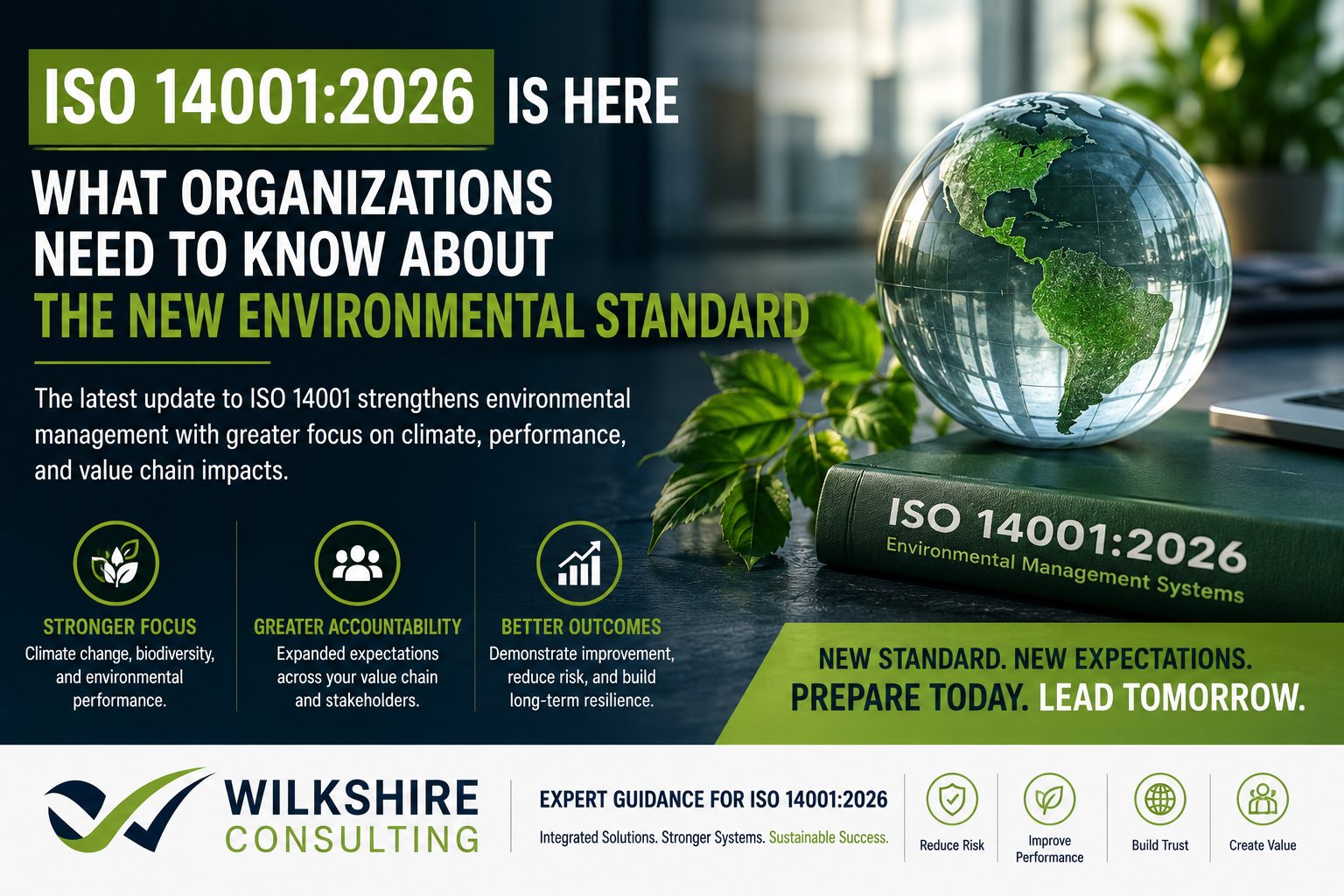
Environmental management continues to evolve.
Customers are demanding greater transparency. Regulators are increasing expectations. And organizations are facing growing pressure to demonstrate meaningful environmental performance—not just environmental intentions.
That’s why the release of ISO 14001:2026 is significant.
While the core structure of ISO 14001 remains familiar, the new revision introduces important updates designed to reflect today’s environmental challenges, stakeholder expectations, and business realities.
For organizations currently certified to ISO 14001:2015—or those considering certification—understanding these changes is essential.
The good news? Most organizations won’t need to rebuild their Environmental Management System (EMS) from scratch. But they will need to understand what’s changing and how to prepare.
Why Was ISO 14001 Updated?
ISO standards are periodically reviewed to ensure they remain relevant. The world has changed significantly since ISO 14001:2015 was published.
Organizations today face increasing attention around:
- Climate change
- Sustainability
- Biodiversity
- Resource management
- Supply chain impacts
- Environmental transparency
Stakeholders want more than compliance. They want evidence that organizations are actively managing environmental risks and opportunities.
ISO 14001:2026 reflects that shift.
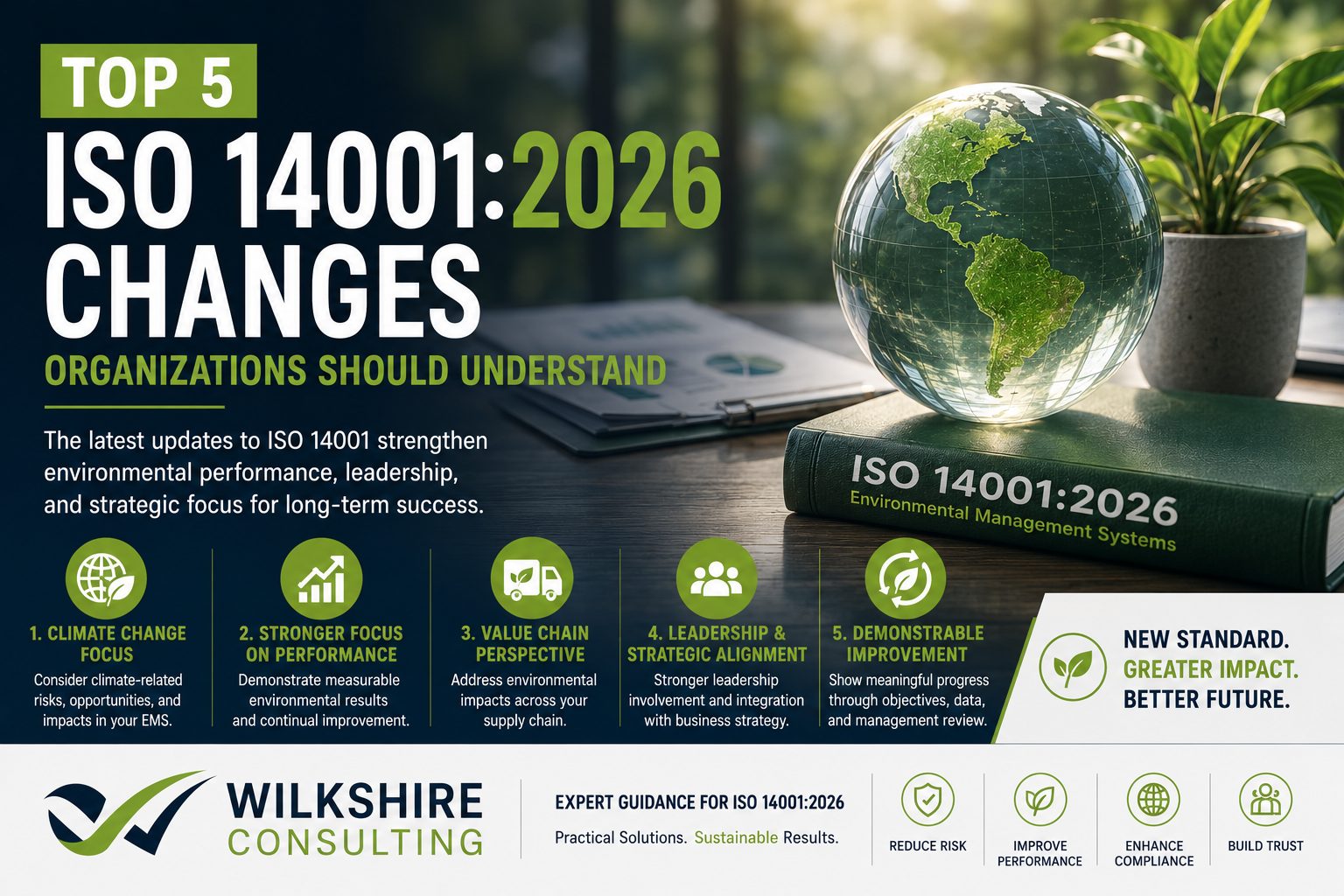
The Biggest Changes in ISO 14001:2026
While the standard’s overall structure remains intact, several areas received greater emphasis.
Climate Change Considerations
One of the most discussed updates involves climate-related issues.
Organizations are expected to evaluate how climate change affects their environmental management system and how their activities may impact climate-related objectives.
For many companies, this means expanding environmental planning discussions beyond traditional compliance topics.
Greater Focus on Environmental Performance
ISO 14001 has always emphasized continual improvement.
The 2026 revision places additional focus on demonstrating actual environmental performance improvements. In other words: it’s no longer enough to simply have processes. Organizations should be able to show results.
Increased Attention on Supply Chains
Environmental impacts don’t stop at the facility gate.
The revised standard places stronger emphasis on considering environmental issues throughout the value chain. This includes:
- Suppliers
- Contractors
- Outsourced processes
- Product lifecycle considerations
Organizations will need to think more broadly about environmental risk and influence.
Stronger Alignment With Sustainability Expectations
Environmental management is increasingly connected to broader sustainability initiatives.
The revised standard reflects this reality by encouraging organizations to consider environmental issues within a larger strategic context.
ISO 14001:2015 vs. ISO 14001:2026
Many organizations are asking:
How different is the new version?
The answer is: less disruptive than some previous revisions—but still important.
ISO 14001:2026 builds upon the foundation established by ISO 14001:2015. The standard still emphasizes:
- Environmental aspects and impacts
- Compliance obligations
- Operational controls
- Internal audits
- Management review
- Continual improvement
What’s changed is the level of emphasis placed on emerging environmental issues and measurable performance.
Think of ISO 14001:2026 as an evolution—not a complete redesign.
Related reading: How to Turn ISO & R2 Certifications Into Long-Term Client Retention
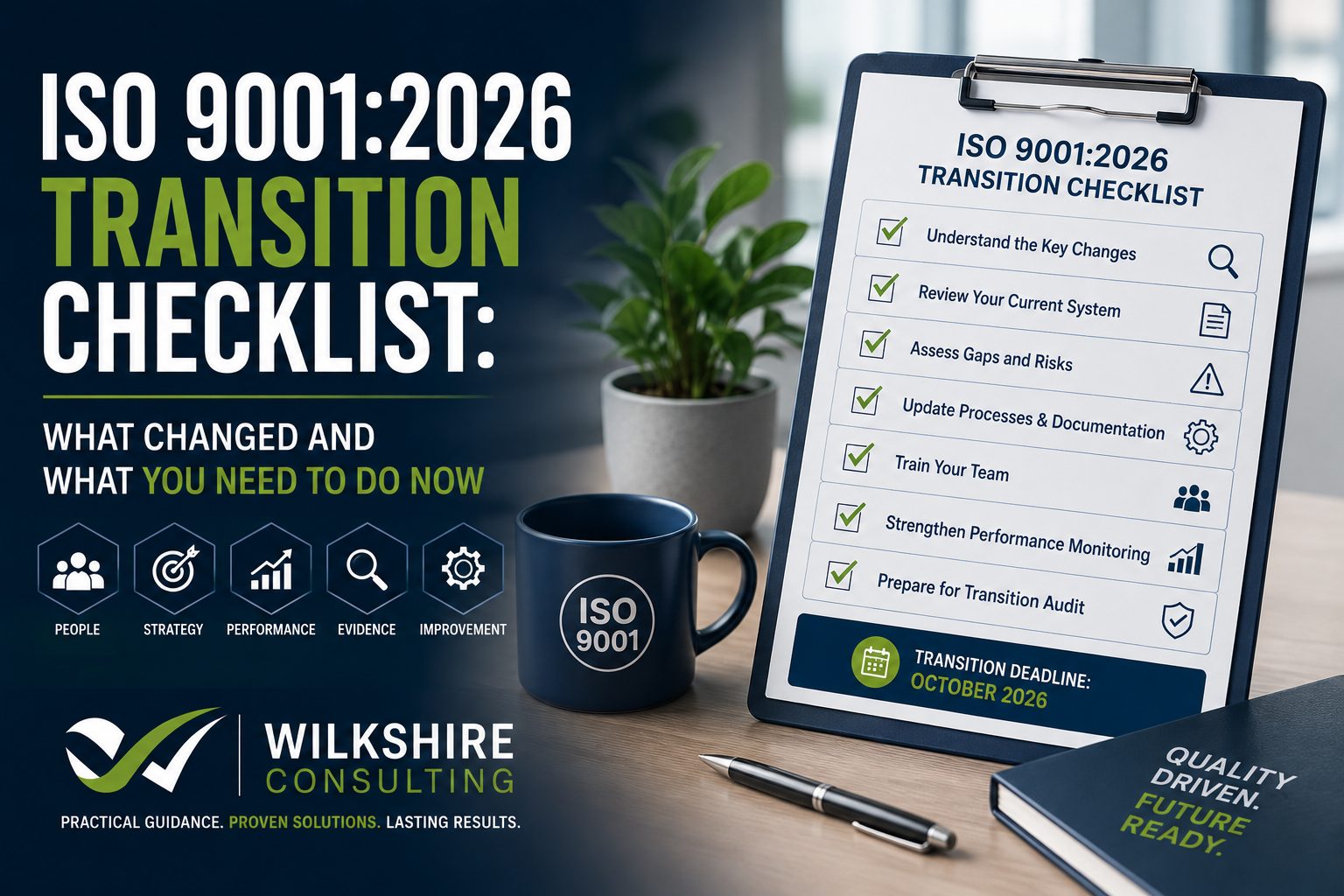
What About Transition Requirements?
Organizations certified to ISO 14001:2015 will not be expected to transition overnight.
A formal transition period has been established, allowing certified organizations time to update their systems and complete transition audits.
Although exact timelines may vary depending on certification bodies and accreditation guidance, organizations should begin evaluating their systems sooner rather than later.
Waiting until the final year of the transition period often creates unnecessary pressure.
How Organizations Should Prepare
The best organizations will begin planning early. Here are several practical steps to consider.
1. Review Existing Environmental Objectives
Evaluate whether current objectives adequately address evolving environmental concerns, including climate-related issues where applicable.
2. Evaluate Context and Interested Parties
Many organizations may need to revisit stakeholder expectations, environmental risks, and strategic environmental issues. The revised standard places greater importance on these considerations.
3. Assess Supply Chain Impacts
Organizations should review how environmental impacts extend beyond their direct operations.
This doesn’t mean controlling suppliers. It means understanding where environmental influence exists.
4. Strengthen Performance Measurement
If your EMS focuses heavily on documentation but provides limited performance data, now is a good time to strengthen metrics and monitoring.
5. Train Leadership and Key Personnel
Environmental management systems work best when leadership understands the intent behind the requirements. Transition planning should involve more than just the environmental manager.
Common Mistakes to Avoid
We’ve already seen organizations make several assumptions about the new revision.
Assuming nothing has changed. The structure may feel familiar, but expectations have evolved.
Treating the transition as a paperwork exercise. The focus is increasingly on performance and strategic environmental management.
Waiting too long. Organizations that prepare early generally experience smoother transitions and fewer surprises.
What This Means for Businesses
The organizations that benefit most from ISO 14001 aren’t the ones pursuing certification simply to satisfy a requirement.
They’re the ones using the standard to improve decision-making, reduce environmental risk, and strengthen operational performance.
ISO 14001:2026 reinforces that approach. It encourages organizations to think more strategically about environmental management and how environmental performance contributes to long-term success.
How Wilkshire Consulting Helps Organizations Prepare
At Wilkshire Consulting, we help organizations understand and implement environmental management systems that deliver real value—not just audit readiness.
We work with companies to:
- Prepare for ISO 14001:2026 transitions
- Conduct gap assessments
- Update environmental management systems
- Improve environmental performance metrics
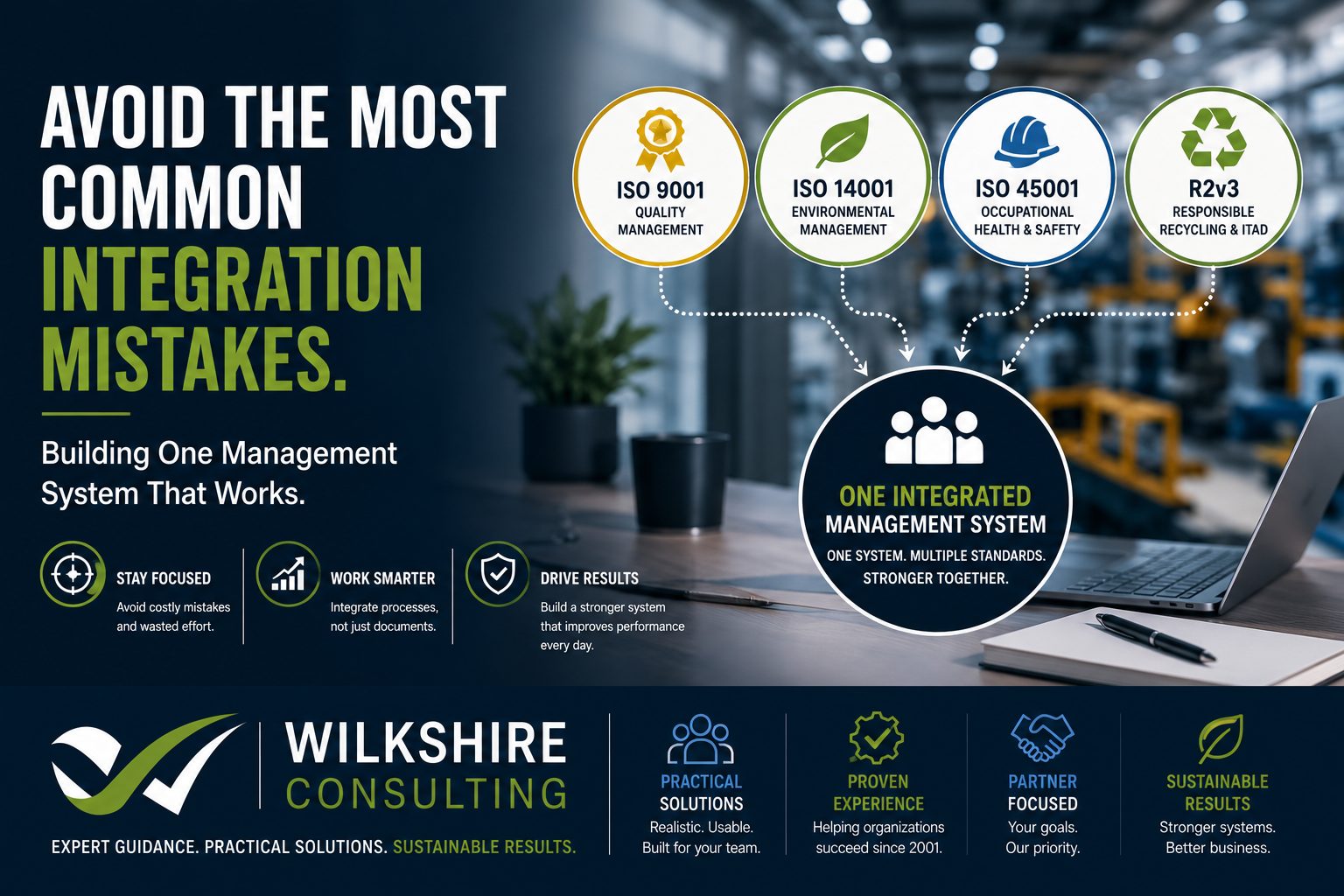
- Integrate ISO 14001 with other management system standards
Because successful transitions aren’t about reacting to change. They’re about preparing for it.
Final Thought
ISO 14001:2026 isn’t about creating more paperwork.
It’s about helping organizations manage environmental responsibilities in a world where sustainability expectations continue to grow.
The organizations that prepare early won’t just achieve compliance. They’ll be better positioned for long-term success.